
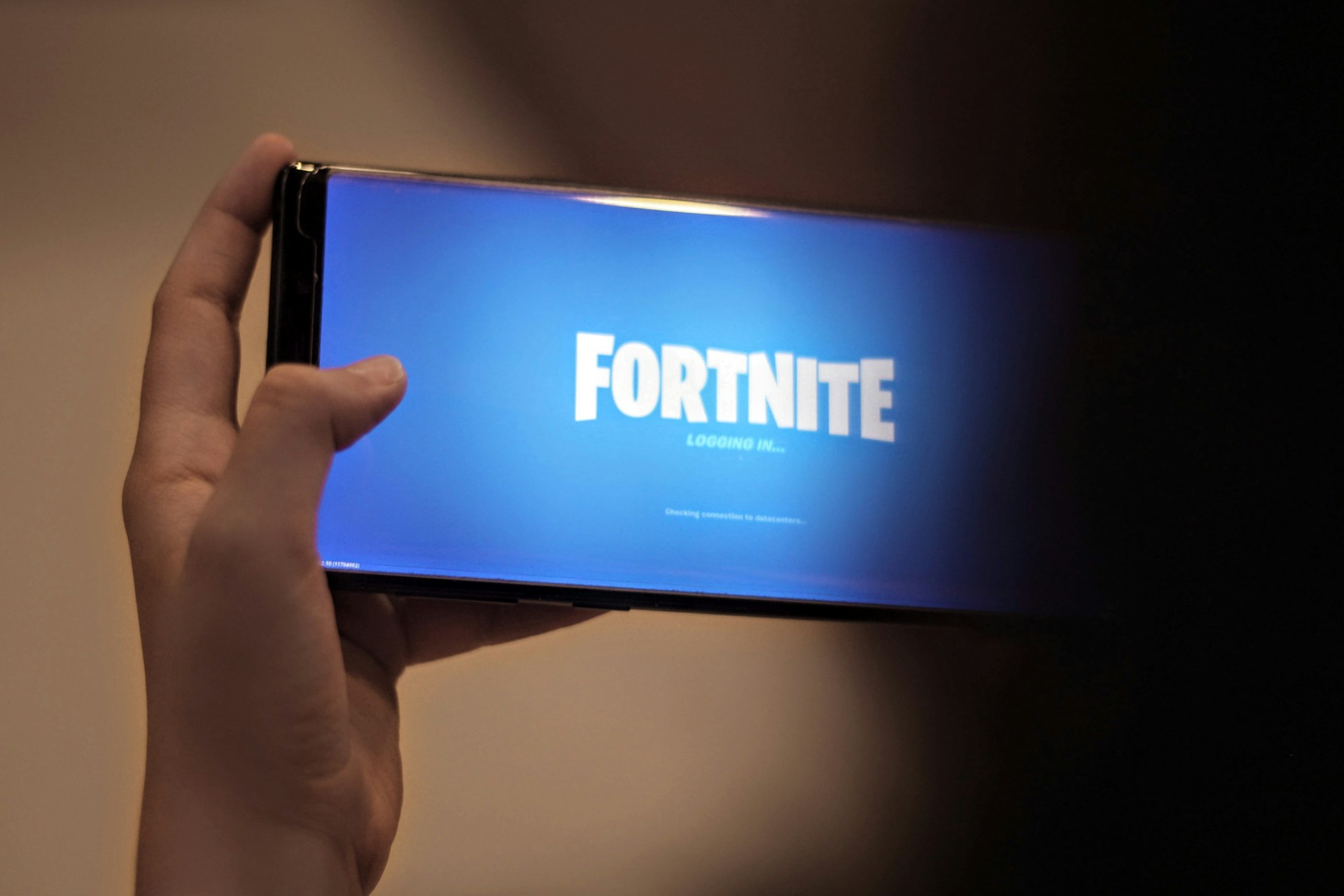
Dropping onto an island surrounded by deep water and sprawling mountains is standard fare for any battle royale player. But for Epic Games, the real survival match wasn’t happening in-game—it was a bruising, nearly six-year standoff against the biggest tech giant on the planet. As of May 20, 2026, the battle has officially entered its fallout phase. Fortnite is finally back on Apple’s App Store worldwide, wrapping up a massive antitrust crusade that fundamentally fractured Apple’s walled garden.
The whole mess kicked off back in August 2020 as a calculated provocation. Epic intentionally bypassed Apple’s mandatory 30% cut on in-app purchases by dropping a direct-payment system for V-Bucks right into the iOS version of the game. Apple predictably brought the hammer down, booting Fortnite from the App Store immediately, with Google quickly following suit on the Play Store. Epic fired back with a coordinated lawsuit and a slick “1984”-themed smear campaign, accusing both companies of running illegal monopolies.
Chipping Away at the Monopoly
Getting the game back onto mobile devices didn’t happen overnight, and it definitely didn’t happen in one piece. The first real cracks in Apple’s armor appeared in Europe. Thanks to the rollout of the Digital Markets Act (DMA) in March 2024, Apple was cornered into allowing third-party app stores on its devices. Epic seized the moment, launching its own storefront and sneaking Fortnite back onto European iPhones through the backdoor.
Fast forward to May 2025, and a favorable US federal court ruling forced Apple to drop its restrictions, paving the way for the game’s official App Store revival stateside. Google put up its own fight, but eventually caved, leading to an agreement that restored the game to the Play Store in March 2026. Regulatory dominoes have continued to fall in markets like Japan and Brazil, where antitrust decisions have legally bound Apple to give developers simplified access to alternative payment methods for subscriptions and digital content.
EU gamers currently have the luxury of choice. If you want to drop into a match today on an iPhone or iPad, you can grab the app straight from the iOS App Store, the independent AltStore, or Epic’s own marketplace. Just make sure you’re on a solid Wi-Fi connection. While the base game is around a 3GB download, you’ll get hit with up to 5GB of additional background data on first launch, plus whatever extra modes you want to pull down. The game is free, though it doesn’t shy away from shoving some notoriously aggressive in-app purchases in your face.
The Australian Anomaly
Despite the global rollout announced this past Tuesday, there’s a glaring blind spot: Australia. Epic actually scored a major victory in Australian courts last summer, but Apple simply refused to update its local terms of service to reflect the ruling. Epic is actively fighting these “unlawful developer conditions” in a separate, ongoing legal proceeding, leaving Australian players completely locked out of the official mobile ecosystem for the time being.
Epic’s CEO, Tim Sweeney, isn’t exactly staying quiet about any of this. Posting on X this week, Sweeney framed this as the final phase of their legal slugfest. Epic’s official press release mirrors his aggressive confidence, stating that the US federal court is forcing Apple into total transparency regarding its modified App Store fees. The studio is banking on the idea that once government regulators get a look at Apple’s true operational costs, they won’t tolerate any more hidden fees or anti-competitive roadblocks.
The Cost of War
Sweeney might be taking a victory lap, but taking on Apple drew serious blood. The financial strain of endless litigation, coupled with a noticeable dip in Fortnite‘s mainstream popularity, forced Epic into a corner earlier this year. In March 2026, the studio gutted its workforce, laying off more than 1,000 employees to offset the staggering cost of this multi-year legal standoff.
Fortnite itself has mutated into something far beyond a standard MOBA or shooter since its 2017 launch. It now operates as a massive, standalone entertainment platform hosting live concerts and virtual events that barely register as traditional gaming. Whether this sprawling digital venue can completely recover its lost mobile momentum remains to be seen, but the courtroom blueprint Epic leaves behind has permanently rewritten the rules for mobile software.
The Apple vs. Epic Timeline
The major beats of the conflict reveal just how drawn-out this legal battle became before the gates finally reopened.
| Date | Event |
| Aug 13, 2020 | Epic activates alternative payment method in Fortnite (iOS/Android). |
| Aug 13, 2020 | Epic releases “Nineteen Eighty-Fortnite” protest video. |
| Aug 13, 2020 | Apple and Google remove Fortnite from their respective app stores. |
| Aug 18, 2020 | Apple threatens to terminate Epic’s developer account entirely. |
| Aug 25, 2020 | Fortnite remains blocked, but the developer account is preserved. |
| Sep 10, 2021 | Apple largely wins the initial lawsuit but is ordered to allow alternative payments. |
| Jan 17, 2024 | Alternative payment methods officially permitted, subject to a 27% Apple commission. |
| Jan 19, 2024 | Apple finally reinstates Epic’s developer account. |
| May 01, 2025 | Court forces Apple to remove its restrictions and commission structure. |
| May 21, 2025 | Fortnite officially returns to the App Store in the US. |
| Dec 12, 2025 | Appeals court upholds the decision but grants Apple certain ongoing rights. |
| May 20, 2026 | Fortnite becomes globally available again in the iOS App Store (excluding Australia). |